Rethinking the Customer: An Employee-First Approach
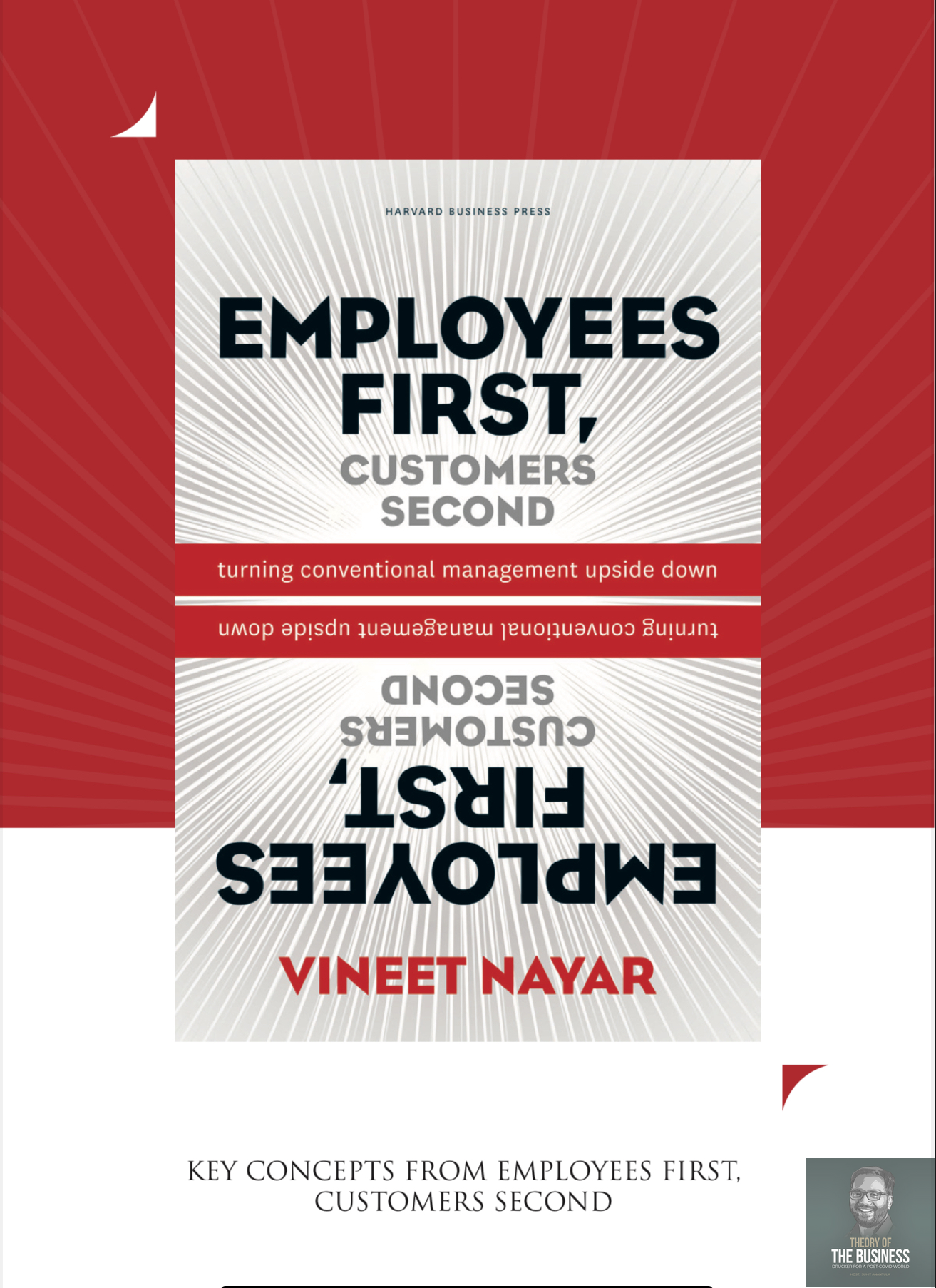
We recently discussed the concept of "what does customer mean" in non-profits, healthcare, and government sectors, and how it differs from the private sector. Julie Goods, an HR leader and friend from Adelaide, raised a thought-provoking point: Should not the primary customer of a business be its employees? If employees are taken care of, wouldn't that take care of everything else?
This idea is brilliant and deserves exploration.
Reader Pointer: As you read, consider how this perspective might change your view of your organisation's priorities.
The Importance of Employees
Employees are undoubtedly the lifeblood of any organisation. However, we're facing increasing challenges with employee disengagement:
- Gen Y and Gen Z seek purpose in their work
- Gen X along with Gen Y are leading the "great resignation" post-Covid
- The notion that "people leave their managers, not their organisations" still holds true and is connected to larger issues in the system.
Reader Pointer: Reflect on your workplace. Do you see evidence of these challenges? How is your organisation addressing them?
Drucker's Perspective on Non-Profits
Peter Drucker was a strong advocate for non-profits. He spent considerable time working with organisations like the Girl Scouts of America and the Salvation Army, viewing them as examples of exemplary management towards their missions.
Drucker believed that the key to great performance in organisations is to treat employees as volunteers. This perspective is particularly relevant to non-profits, which often rely heavily on volunteer engagement to achieve their goals. What if this was the case for all employees, in all kinds of organisations.
Reader Pointer: Consider the implications of treating employees as volunteers. How might this change your approach to management or your expectations as an employee?
Reframing Employee Engagement
With this new framing, our approach to employee management can shift dramatically:
- Monetary compensation becomes secondary
- Focus shifts to engaging employees' hearts and minds
- Emphasis on providing purpose, meaning, connection, and community
This change in perspective alters how we work with employees. While performance remains crucial, it stems from:
- Employees finding the mission purposeful
- Their presence driven by genuine care
- Creativity fuelled by a desire to make a difference
- Happiness derived from culture and community
Reader Pointer: Think about a time when you felt most engaged at work. Which of these elements were present? Which were missing?
Vineet Nayar's "Employees First, Customers Second"
An excellent example of this philosophy in action is Vineet Nayar, former CEO of HCL Technologies from India. His maxim, "employees first and customers second," formed the basis of an entire book (PDF).
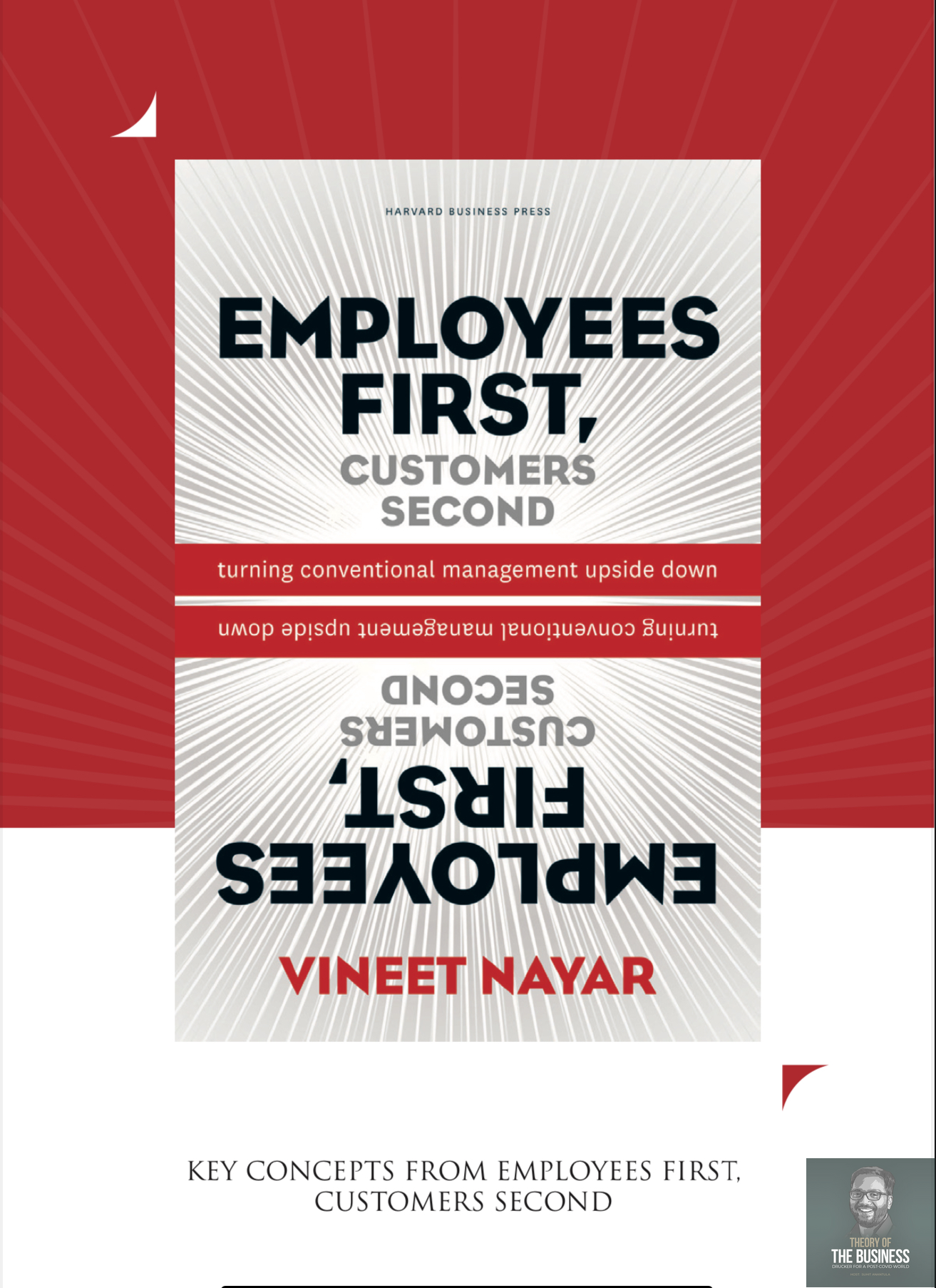
In an interview with Karl Moore from Forbes, Nayar explained his philosophy:
"The question is 'what is the core business of any corporation?' and the answer is to create differential shared value for its customers. The second question is 'where does that differential shared value get created?' and the answer is in the interface of the employees and the customers. Hence we ask if the employees in that interface create a differential shared value, what should the business of managers and management be? The answer to that question is the business of managers and management should be to enthuse and encourage employees so that they can create a differential shared value: enhance employees first and customers second."
This employee-first approach challenges traditional business thinking and offers a fresh perspective on organisational success.
Reader Pointer: How might this philosophy impact customer satisfaction in the long run? Can you envision potential challenges in implementing this approach?
Key Takeaways
- Rethink who your primary "customer" is within your organisation.
- Consider the impact of treating employees more like volunteers.
- Explore ways to provide purpose, meaning, and community in your workplace.
- Reflect on how an employee-first approach might transform your organisation's culture and performance.
Final Thought: As you go about your work this week, observe your organisation through this new lens. Where do you see opportunities to put employees first? How might this shift benefit both employees and customers?